
What Is Enology? From Fermentation to the Bottle
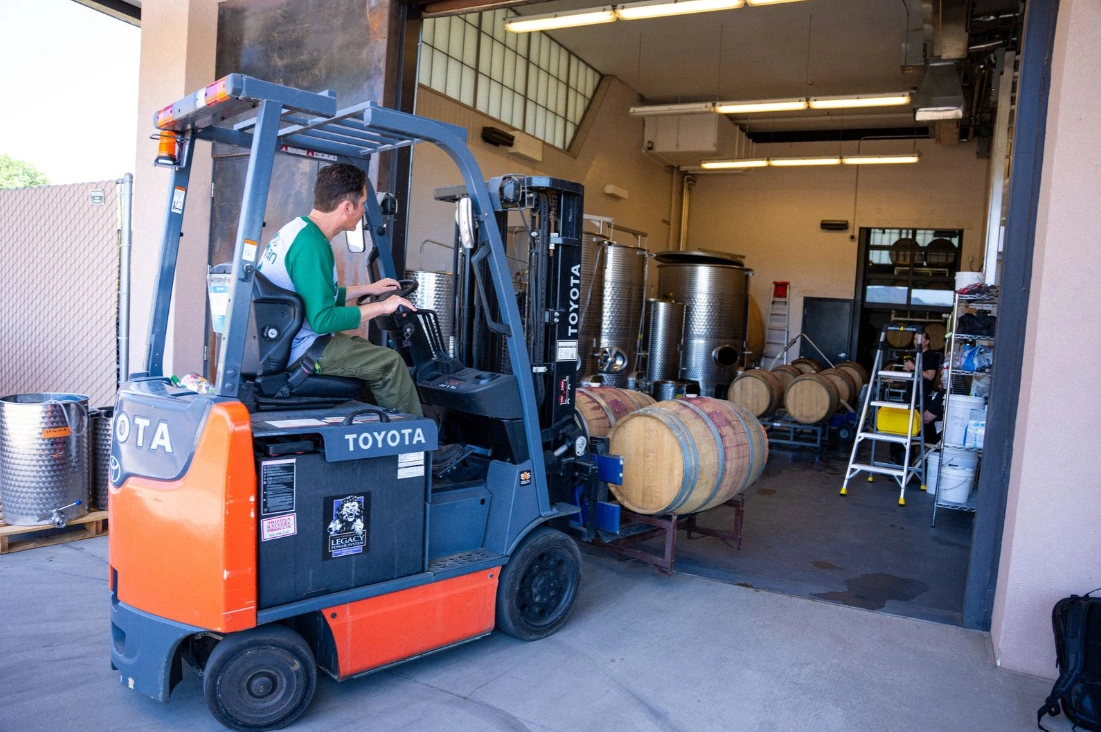
Enology is the science and practice of winemaking. It covers what happens inside the winery after the grapes are harvested, including fermentation, wine chemistry, sensory evaluation, cellar management, blending, and bottling. Enology is one of the two core disciplines in wine education, paired with viticulture, which covers the grape-growing side.
If viticulture is the science of growing grapes, enology is the science of turning those grapes into wine. The two disciplines are taught together because they are inseparable in practice. What a winemaker finds in the cellar is a direct result of what happened in the vineyard, and understanding one without the other leaves real gaps in both knowledge and skill.
At Southwest Wine Center at Yavapai College, students study enology inside our teaching winery in Clarkdale, Arizona, on the same property where they grow and harvest the fruit. The winery is not a demonstration facility. It operates at industry scale, with real equipment, real production decisions, and wines that go through every stage from fermentation to bottling.
This article explains what enology is, what the field covers, how it connects to viticulture and the broader Arizona wine industry, and what studying enology at a working teaching winery actually involves.
What Is Enology?
Enology is the scientific study of wine and the winemaking process. The word comes from the Greek “oinos,” meaning wine, and “logos,” meaning study or science. In practice, it refers to the applied science of producing wine, from the moment the harvested grapes arrive at the winery through fermentation, aging, clarification, and bottling.
The field draws from chemistry, microbiology, biochemistry, and sensory science. An enologist works with yeast selection, fermentation kinetics, phenolic chemistry, sulfur dioxide management, acid adjustments, fining agents, filtration, and the sensory evaluation of finished wine. These are not abstract subjects. Every one of them shows up in the winery during a production season.
Enology is also spelled “oenology,” particularly in British and European usage. Both spellings refer to the same discipline. In the United States, “enology” is the more common professional and academic spelling.
What Enologists Study: The Core Disciplines
Enology covers a range of interconnected subjects. Students entering a formal enology program encounter both the science behind wine production and the applied skills needed to carry out that production in a working winery.
| Subject Area | What It Covers |
| Fermentation Science | Yeast biology, alcoholic fermentation, malolactic fermentation, temperature control |
| Wine Chemistry | Acids, sugars, phenolics, sulfur compounds, volatile acidity, alcohol |
| Sensory Evaluation | Sight, smell, taste, and mouthfeel assessment; identifying wine faults |
| Cellar Operations | Pump-overs, rack and return, vessel management, barrel care, sanitation |
| Blending | Tasting trials, varietal combinations, vintage blending, quality assessment |
| Bottling and Packaging | Filtration, fill levels, closure selection, labeling, quality control |
| Wine Faults | Identifying, diagnosing, and correcting common winemaking faults |
| Wine Business | Direct-to-consumer sales, tasting room operations, wine marketing, compliance |
At Southwest Wine Center, students work through each of these areas in our teaching winery. A fermentation science lesson does not stay in a textbook. It runs alongside an active fermentation tank that the student is responsible for monitoring and managing.
The Difference Between Enology and Viticulture
Enology covers the winery. Viticulture covers the vineyard. Together, they form the two-discipline foundation of wine production and wine education.
In practical terms, viticulture ends when the fruit is harvested and delivered to the winery. Enology begins at that point and carries the wine through every stage until it reaches the consumer. The two disciplines are not independent of each other. A winemaker who does not understand vine management and harvest decisions is working without critical context. A viticulturist who does not understand fermentation chemistry and sensory evaluation cannot fully optimize what the vineyard produces.
This is why our AAS in Viticulture and Enology teaches both disciplines together across two years of coursework and hands-on production. Students spend time in the vineyard during the growing season and time in the winery once harvest begins. The transition from one to the other is not a shift in program; it is the natural progression of a single production cycle.
For a full explanation of the vineyard side, our companion article on viticulture covers the discipline in detail.
What Enology Looks Like Inside a Working Winery
The stages of enology follow the production calendar from harvest through release. Each stage involves specific decisions that affect the finished wine.
Fermentation Management
After the grapes arrive, are sorted, and are crushed, fermentation begins. The enologist or winemaker selects a yeast strain or allows wild fermentation to proceed, sets fermentation temperatures, and monitors the process daily. For red wines, this includes punch-downs or pump-overs to keep the grape skins in contact with the fermenting juice and extract color and tannin.
Our students run fermentations in our teaching winery using the same equipment and protocols found in commercial Arizona wineries. They track sugar depletion using a hydrometer or refractometer, record the temperature twice daily, and decide when and how to intervene if fermentation slows or stalls.
Malolactic Fermentation
After alcoholic fermentation, many red wines and some whites go through malolactic fermentation, where bacteria convert sharp malic acid into softer lactic acid. This is not automatic. The winemaker decides whether to encourage it, block it, or allow it to proceed partially, depending on the wine style and acidity targets.
Students at our teaching winery learn to manage this process through lab analysis and sensory evaluation, comparing wines before and after malolactic conversion side by side.
Barrel and Vessel Management
Wines destined for oak aging go into barrels after fermentation. Students monitor barrel inventory, top barrels regularly to prevent oxidation, pull barrel samples for tasting, and track each wine’s development over time. This part of enology is as much about sensory evaluation as it is about chemistry. A barrel sample tells the enologist something a lab test cannot.
Blending, Clarification, and Bottling
Before bottling, the enologist runs bench trials to assess potential blends, selects fining agents if needed, and determines the filtration approach based on the wine’s style and stability. The final bottling run involves calibrating fill volumes, confirming closure integrity, and checking label compliance before the wine moves to inventory.
Students at Southwest Wine Center participate in full bottling runs as part of their winery operations training. These are not simulations. The bottles they fill go to our tasting room and our wine club members.
Study Enology at Southwest Wine Center
Enology is a discipline that develops through practice. Understanding fermentation chemistry in a classroom and managing an active fermentation in a working winery are two different experiences. Both matter, and the best programs provide both.
At Southwest Wine Center at Yavapai College, students in the enology program work inside our teaching winery on our estate vineyard in Clarkdale, Arizona. They conduct fermentations, pull barrel samples, build blends, and participate in bottling runs that produce the student-crafted wines sold in our tasting room and released to wine club members.
The program is designed for students who want production experience before entering the Arizona wine industry, whether that means working in a winery, managing a tasting room, or pursuing further study in wine science and research.
The Enology Certificate is the direct path for students focused on the winery side. For students who want the full vineyard-to-bottle picture, the AAS in Viticulture and Enology covers both disciplines. The Path to Success page outlines what the student experience looks like from enrollment through completion.
Frequently Asked Questions About Enology
1. What is the difference between enology and oenology?
Enology and oenology refer to the same discipline. “Enology” is the standard American spelling used in academic programs, professional certifications, and industry publications in the United States. “Oenology” is the British and European spelling. Both words come from the Greek “oinos” meaning wine.
2. Is enology the same as winemaking?
Enology is the science behind winemaking. A winemaker applies enological principles to produce wine. In practice, the terms are often used interchangeably in the industry, but enology is the broader academic discipline that includes fermentation science, wine chemistry, sensory evaluation, and cellar management. Winemaking is what it looks like when those disciplines are applied in a production setting.
3. What does an enologist do?
An enologist manages the scientific and technical side of wine production inside the winery. This includes yeast selection, fermentation management, acid and sulfur adjustments, sensory evaluation, blending trials, fining and filtration decisions, and overseeing bottling. In smaller operations, the enologist and winemaker may be the same person. In larger facilities, enologists may focus on lab analysis and quality control.
4. What do you study in an enology program?
An enology program covers fermentation science, wine chemistry, microbiology, sensory evaluation, cellar operations, blending, wine faults and corrections, bottling, and the business side of wine production, including direct-to-consumer sales and compliance. Programs that combine viticulture and enology also cover vineyard management, harvest assessment, and the relationship between grape growing and wine quality.
5. Can I study enology in Arizona?
Yes. Southwest Wine Center at Yavapai College offers the only hands-on enology education program in Arizona based at a working estate vineyard and teaching winery. The Enology Certificate focuses specifically on the winery side of production. The AAS in Viticulture and Enology covers both disciplines across a two-year program. Scholarship opportunities are available for qualifying students.
6. How long does it take to become an enologist?
A focused enology certificate program can be completed in one to two years, depending on the course load and program structure. A two-year associate degree that covers both viticulture and enology provides broader preparation for roles in wineries and vineyards. Many working enologists also accumulate industry experience through cellar work, harvest internships, and production assistant roles alongside their formal education.